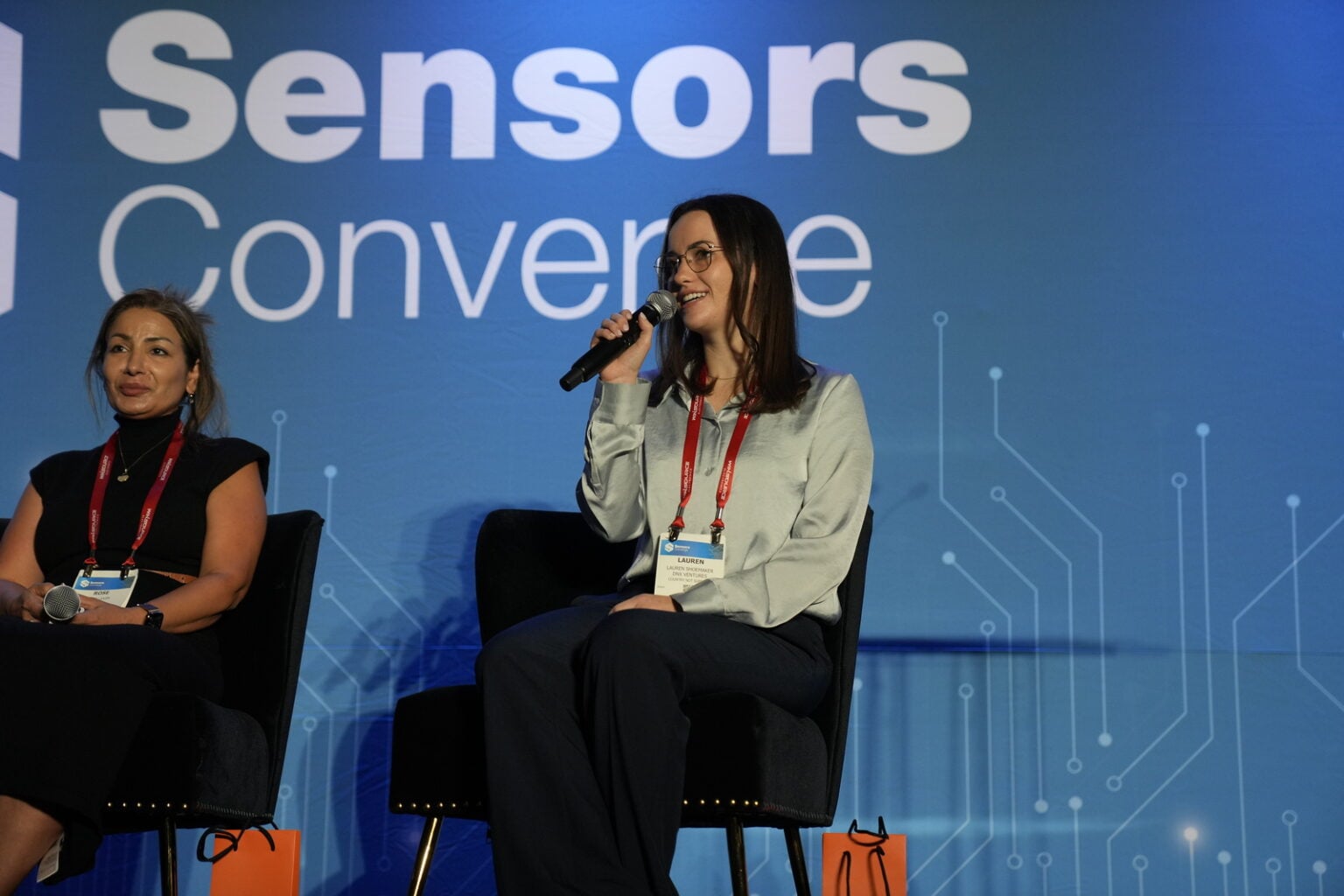
Sensors Converge 2026 brought together companies working across sensing, embedded systems, edge AI, robotics, medical devices, EVs, agtech and connected industrial products.
Across the show floor, the strongest signal was the growing link between advanced sensing technologies and the practical realities of building production-ready hardware. Many of the products and applications attracting attention were not simple component-level innovations. They were complete electronic systems that rely on reliable PCB assembly, interconnects, power management, embedded processing, enclosure integration and test coverage.
For OEMs, startups and technical teams developing advanced electronic products, the more intelligence, connectivity and physical interaction a product carries, the more pressure it places on the manufacturing pathway.
Sensors were central to the show, but the most relevant conversations were about how sensing fits into larger electronic systems.
Products across robotics, medical devices, industrial monitoring, EV platforms, agtech and connected equipment are using sensors alongside embedded processing, wireless connectivity, edge AI and physical controls. That creates more complexity across the full build.
For product teams, the manufacturing considerations extend well beyond board assembly. They include how the board connects to the rest of the product, how harnesses are routed, how assemblies fit inside the enclosure, how the product is tested and how repeatable the build will be once volumes increase.
The earlier those factors are considered, the fewer issues teams are likely to face during prototype refinement, NPI and early production.
Edge AI and robotics had a strong presence at the show, with live demonstrations drawing significant attention.
That interest makes sense. These technologies are moving quickly into physical products that need to sense, process, move, respond and perform in real operating environments.
For these products, reliable hardware execution is critical. A robotics or AI-enabled system may depend on dense PCB assemblies, multiple sensors, power management, cable and harness assemblies, electromechanical integration and functional testing. If one part of the build is weak, the product experience can be affected.
This creates a greater need for manufacturing partners that understand how complex electronic assemblies come together as a complete product. PCB assembly is one part of the pathway. For many advanced systems, the larger need is coordinated support across prototype builds, system assembly, test and production readiness.
Medical devices, wearable technologies and healthcare sensing were also part of the broader show activity.
These products often combine compact electronics, low-power performance, user-facing reliability and tight assembly requirements. Smaller form factors can make PCB layout, component selection, test access, interconnect design and enclosure integration more difficult to manage.
For medical and wearable product teams, production readiness depends on more than getting an early prototype to function. The build needs to be repeatable. The test approach needs to be practical. The documentation needs to support quality expectations. The manufacturing process needs to protect consistency as the program develops.
This is where early input from a manufacturing partner can reduce friction between engineering design and production execution.
A recurring theme from show conversations was the role of US-based manufacturing for quick-turn builds, prototype work and NPI support.
Many companies in sensors, robotics, AI-enabled products and connected devices still use offshore manufacturing for established programs. At the same time, there is strong practical value in having US-based support during earlier or more complex stages of the product journey.
When teams are refining a design, troubleshooting a build or preparing for early production, speed and communication matter. Local manufacturing support can help teams respond faster, work through build issues and avoid long feedback cycles.
This is especially relevant for lower-volume programs, complex assemblies and products where the design is still moving. US-based manufacturing can support PCB assembly, cable and harness assembly, box build, testing and early production without requiring every stage of the program to move offshore immediately.
Across the show, the most interesting product categories had one thing in common: they were hardware-intensive.
Robotics, EV-related systems, medical devices, agtech, industrial sensing and connected products all depend on more than technical innovation alone. They require a manufacturing pathway that can support the full product, not just one isolated assembly step.
For advanced electronics teams, this means thinking carefully about how the product will be built, tested and supported before it reaches higher-volume production.
That includes:
When those elements are considered too late, they can create avoidable delays, redesign work or production issues. When they are planned earlier, teams have a stronger path from prototype to production.
Sensors Converge 2026 reflected a market moving toward more intelligent, connected and physically integrated electronic products.
For OEMs, startups and engineering teams, the important takeaway is the growing connection between product capability and manufacturing readiness. Sensor-enabled products, robotics, edge AI devices, medical technologies and industrial systems all require a build pathway that can keep pace with their technical complexity.
Synergetics supports advanced electronics teams from its California facilities with PCB assembly, cable and harness assembly, box build, testing, quick-turn builds, NPI and production support.
For companies developing sensor-enabled products, robotics, medical devices, industrial systems or connected technologies, that support helps bridge the gap between prototype, production readiness and scalable manufacturing.
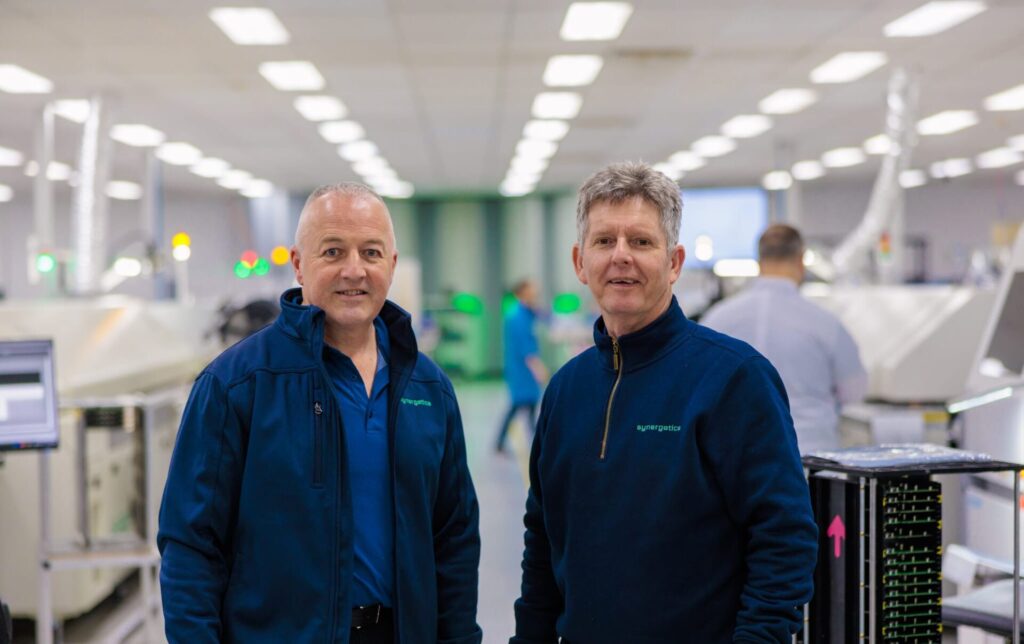
About Synergetics Manufacturing Inc
Synergetics is a contract manufacturer for medical, military, homeland security and industrial sectors in the USA. For over 30 years, Synergetics has established a reputation for high-quality products and services, flexibility and responsibility to customers. Our services include quick turnaround, locally produced prototypes and advanced electronic manufacturing of both PCBA, box-build assemblies and full system-level testing.
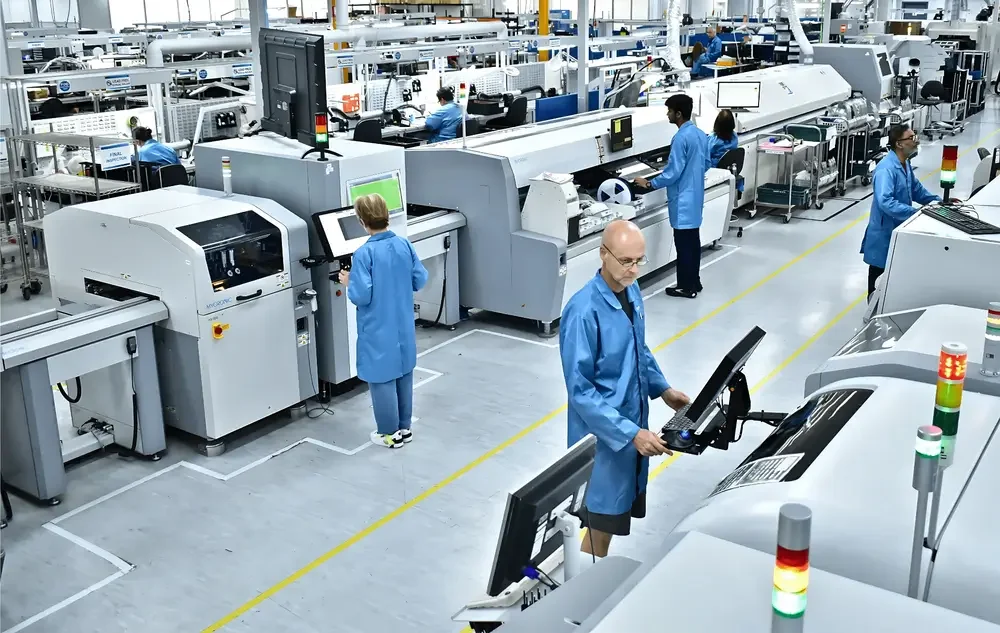
About the Extel Group
Extel Technologies provides advanced electronics engineering, manufacturing and sustainment services for high-reliability systems across defense, aerospace, medical, data infrastructure, autonomous systems and industrial sectors. With AS9100D, ISO13485 and DISP-certified operations, Extel delivers precision and compliance from design to long-term support – trusted by global primes and innovators for over 35 years.
Media Enquiries
For further information or media enquiries, please contact:
Synergetics Manufacturing Inc
jeff.thomas@emsynergetics.com

